

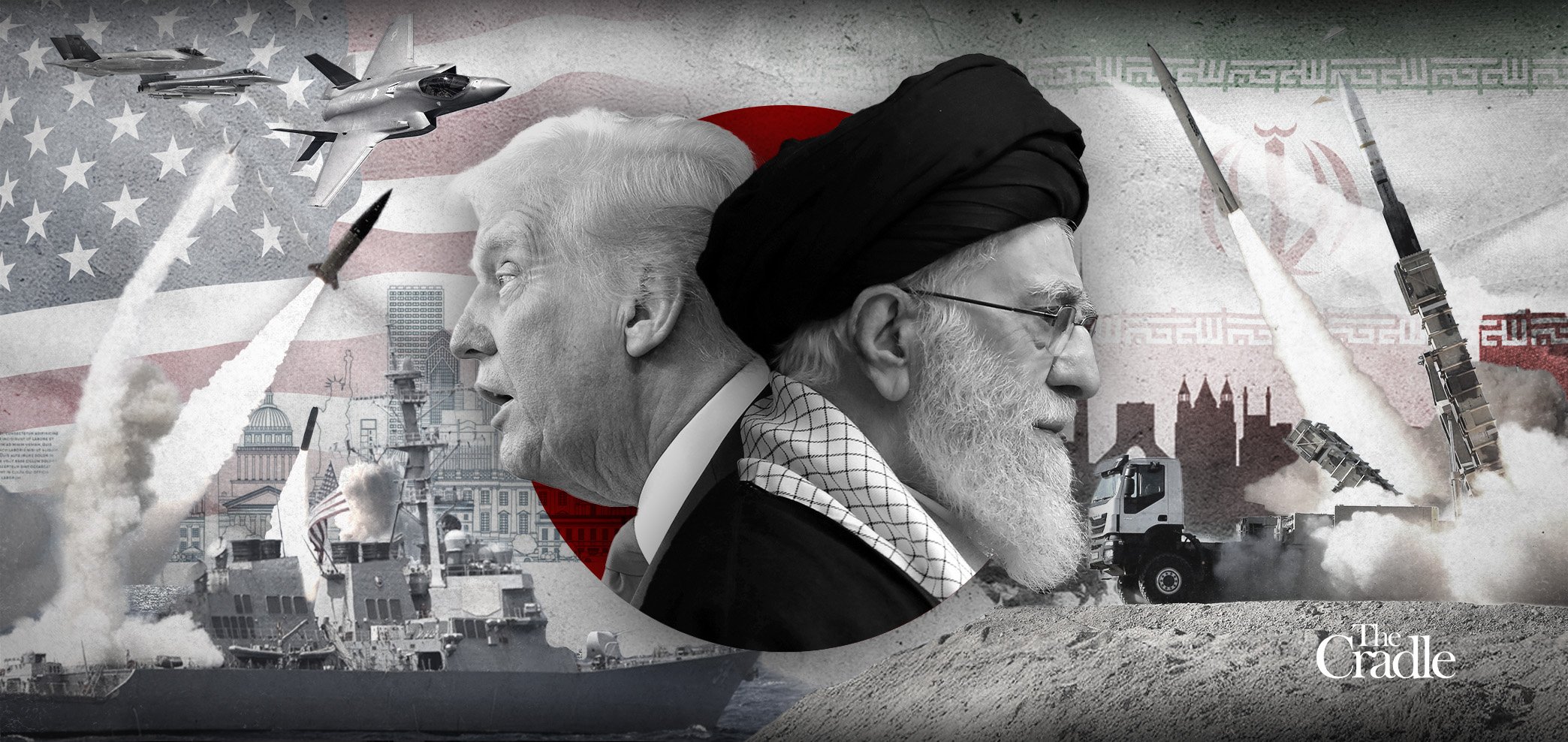
As the Middle East reels from renewed tensions involving the United States, Israel and Iran, attention in Nigeria’s faith and public space has turned to one man whose voice has long echoed beyond the pulpit — Primate Elijah Ayodele, the outspoken founder of INRI Evangelical Spiritual Church.
For decades, Primate Ayodele has built a reputation as one of Nigeria’s most influential prophetic voices, known for issuing early warnings on global politics, security flashpoints and leadership crises. In recent days, many of his followers and observers have revisited a series of his pronouncements on Iran and the wider Middle East, noting how closely they align with the current wave of instability.
A prophetic voice with global reach
Primate Ayodele’s annual prophecies, closely followed by political leaders, diplomats and the general public, have often ventured beyond Nigeria’s borders. In his 2026 prophecy release, unveiled in December 2025, he spoke extensively about Iran, warning that the country would face severe external pressure tied to its nuclear ambitions.
“I foresee external military aggression against Iran,” Ayodele declared at the time. He warned of “different levels of crisis that will make the country stand still,” adding that Iran would accuse foreign powers — including the United States and Israel — of threatening its sovereignty.
Supporters now point to the current standoff, marked by military strikes, retaliatory actions and diplomatic breakdowns, as a striking reflection of those warnings.
A caution against escalation
Beyond written prophecies, Ayodele repeatedly used live church services and public platforms to caution against any direct attempt on Iran’s top leadership. In one widely circulated warning, he urged restraint in unmistakable terms.
“America, don’t strike the leader of Iran,” he said. “If you do, it will cause serious tension and war.”
That message, delivered months before the present escalation, has resurfaced amid widespread uncertainty, conflicting reports and rising fears that the conflict could spiral beyond control.
For many of his followers, the warning underscored Ayodele’s consistent emphasis on consequences — not just for the immediate actors, but for the global system.
Seeing beyond borders
What has long distinguished Primate Ayodele’s prophecies, admirers say, is his insistence that no nation exists in isolation. In earlier messages, he spoke of how crises in one part of the Middle East could ripple outward, touching even places seen as safe havens.
“There is no crisis in Dubai; it’s the best country in the world,” he once said, before adding, “but I am seeing damage in Dubai.”
Recent security alerts, airspace disruptions and reported explosions across parts of the Gulf — including the United Arab Emirates, Bahrain and Qatar — have revived those words, reinforcing his belief that global stability is fragile and interconnected.

A ministry defined by warnings, not applause
Those close to Primate Ayodele often stress that his prophecies are not offered for sensationalism, but as cautions meant to avert disaster. Over the years, he has issued warnings to presidents, governors and global leaders alike, frequently insisting that prayer, dialogue and humility can change outcomes.
In the context of the US–Israel–Iran tensions, supporters say his messages stand out not for taking sides, but for highlighting the dangers of force, retaliation and imperial overreach.
Faith, foresight and influence
As the world watches events unfold in the Middle East, Primate Elijah Ayodele’s growing international relevance reflects a broader reality: in an age of uncertainty, prophetic voices continue to shape how millions interpret global affairs.
Whether viewed through the lens of faith, politics or culture, Ayodele’s warnings have once again placed him at the centre of conversations far beyond Nigeria — a testament to a ministry that has consistently dared to speak to power, forecast storms, and urge caution when the drums of war begin to beat.


